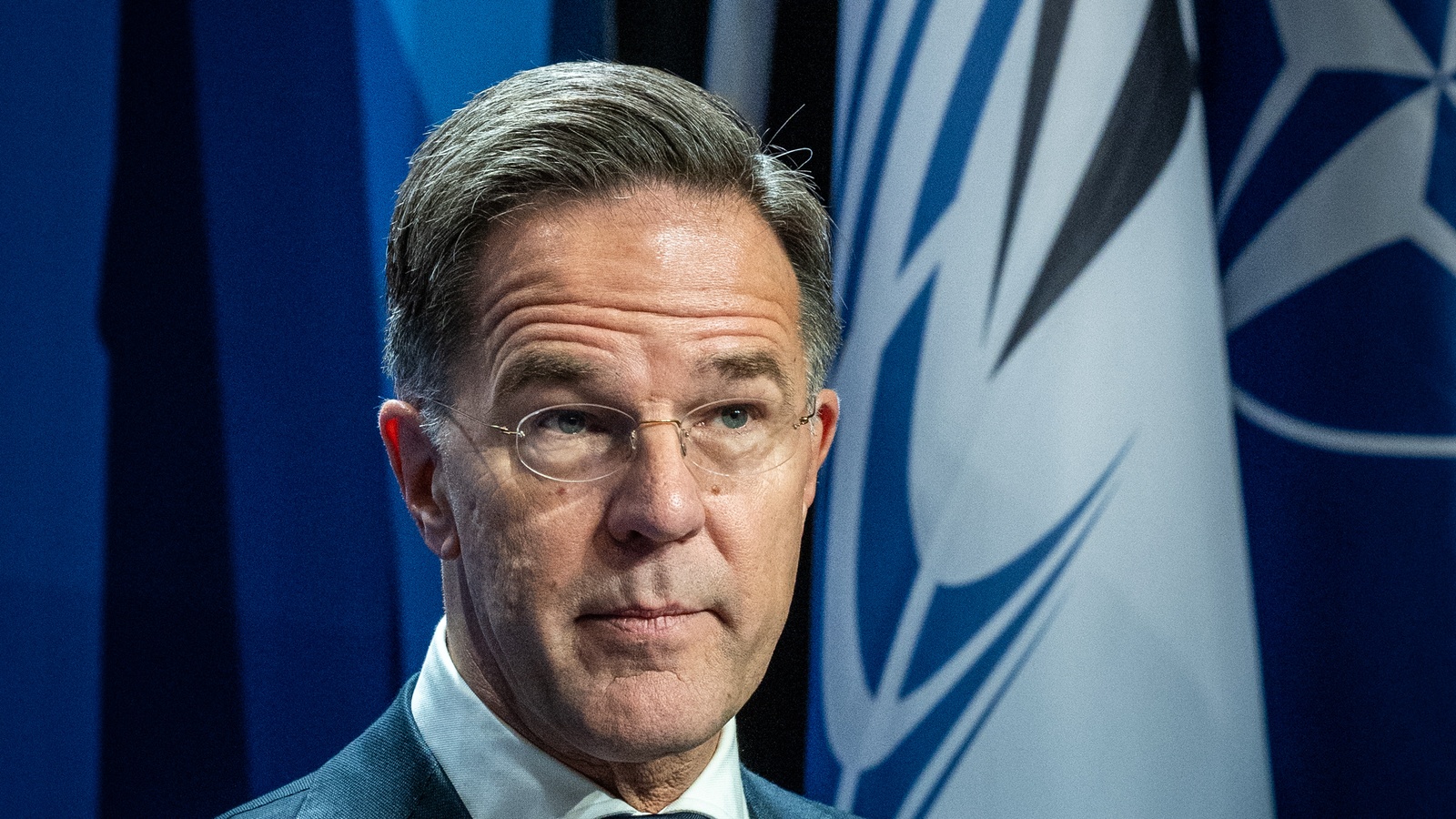
Mark Rutte urged parliamentarians in Berlin on November 23 to secure lasting public and political support for faster defence investment, according to NATO’s account of his address.1
NATO says he cited a €70 billion pledge covering equipment, assistance and training for Ukraine in 2026, and again for 2027. A pledge is not evidence that all funding has been delivered. The report describes an appeal to sustain spending, not a newly approved parliamentary budget.1
Rutte also met German Chancellor Friedrich Merz, parliamentary president Julia Klöckner, Foreign Minister Johann Wadephul and Moldovan President Maia Sandu.1
Bloomboff’s take
A spending commitment deserves two public questions: which real resources will it use, and who will pay? Borrowing changes when taxpayers face the bill. Monetary expansion can spread costs through purchasing power instead of an explicit vote. Neither mechanism creates the labour, equipment or energy a programme requires. This is a framework for evaluating financing, not evidence of how this particular pledge will be funded.
Bitcoin makes one boundary clearer: its issuance rules cannot be enlarged by a government budget decision. That gives savers an independently verifiable monetary alternative while leaving public priorities to political debate. Education should connect that distinction to practical ownership, including secure key storage and tested recovery plans. Holding bitcoin is not a vote on an alliance or a substitute for scrutinising expenditure.